Active recreation in tryavna and the region

Summer is already here and there is nothing left for us to do but enjoy it and grab a handful of everything it has to offer. Anyone who has been our guest or has visited the town of Tryavna knows that summer in the Balkan is inimitably beautiful, memorable and energizing for all the senses.

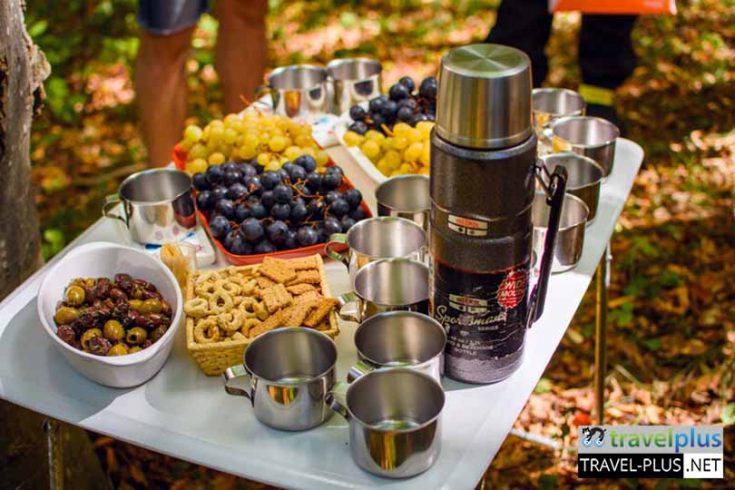
Discover the pleasure of movement and active life! Learn new things about Tryavna and the region! Make new friends… and many more positive emotions with the active recreation programs provided by our friends from Travel Plus.

For all seasons and all ages

Cycling and hiking trails in summer, skiing in winter – groups tailored to your individual qualities. Let’s not forget the team building activities, which are most often organized in the summer season.

Bike rides

How does a bike ride with a tasty stop or a craft beer tasting sound? A two-day cycling adventure with stops at scenic overlooks and protected areas with rare plant and animal species? Most of the route passes through the territory of the Nature Park “Bulgarka”.

Discover the ‘little secrets’ of the Balkan Mountain – a place where nature and history are one! If you have your own bike, bring it with you! If not, inform us in good time and you will be assisted to rent a bike at a preferential price!

Hiking and walking

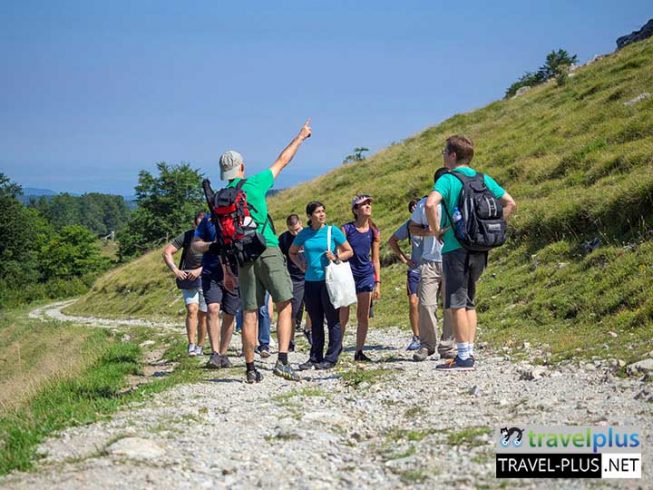
The Trevnenski Balkan offers extremely scenic routes and an amazing variety of places to visit. Variety for all those who seek an encounter with nature in its purest and most unadulterated form, and the routes are tailored to the training of the group participants.

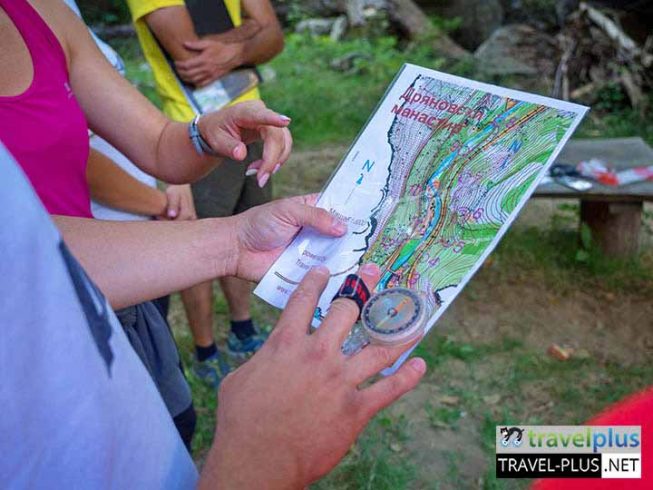
Hikes and walks cover all levels of difficulty – from beginner to advanced and expert – and are offered on pre-announced dates or by request. Here you can read more about the experiences of our guests who have participated in a hike in the Natural Park “Bulgarka” -> Travel bloggers visiting Kalina Palace Hotel.

Adventures by land, air and water

If you’re the type of person who isn’t content with just a leisurely holiday, but feel the need to challenge yourself and experience new emotions, then the following suggestions may be just for you.

Experience something unforgettable, different from the usual! All adventures are adapted and fully achievable for all people in active shape and in good physical health, no matter their age.

Water hike with kayaks, orienteering for amateurs, combined tours on foot and with bicycles, hike along the ridge of the Balkan Mountains, and for fans of more extreme experiences – triathlon for amateurs and ultra hike without competition – something for everyone.

Themed and special activities

Water hike with kayaks, orienteering for amateurs, combined tours on foot and with bicycles, hike along the ridge of the Balkan Mountains, and for fans of more extreme experiences – triathlon for amateurs and ultra hike without competition – something for everyone.

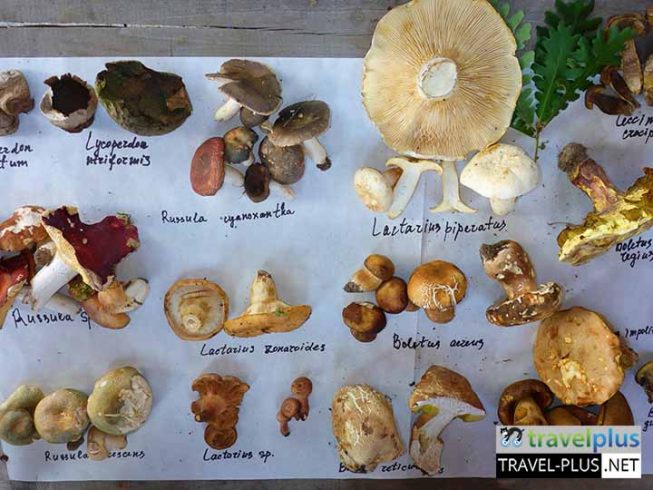
To experience Tryavna and the Tryavna Balkan: Priceless! Come for a walk in the company of an expert in botany, ornithology and history. You will get acquainted with rare plant and animal species, as well as learn interesting facts related to the history of our beautiful region.

For more information on the venue and confirmed dates, please visit https://travel-plus.net/.

And we will take care of the rest for your pleasant experience after the activities in Tryavna and the region. Welcome to Hotel Kalina Palace.

“The walls of courage”- Tryavna and Plachkovtsi

Today we decided to tell you about two places not so popular with tourists. One is in the town of Tryavna and the other is in the town of Plachkovtsi. What unites them, you may ask? “The walls of courage” we will answer you.

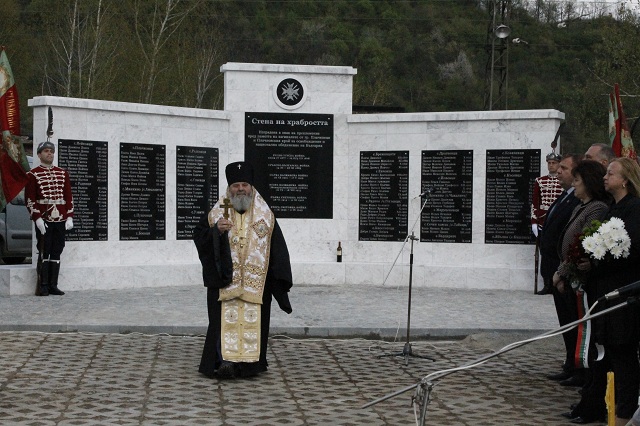
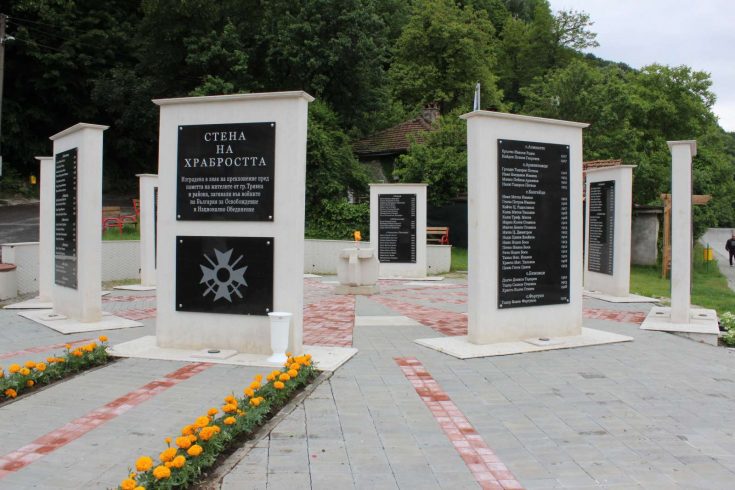
It is worth taking the time to visit the only memorial of its kind, paying tribute to those who died for the freedom of Bulgaria, erected in Tryavna in the form of a cromlech – a stone circle, a memorial ritual complex paying tribute to the warriors who died in the name of the homeland and the one in Plachkovtsi in the form of an open book, composed of six slabs of black granite.

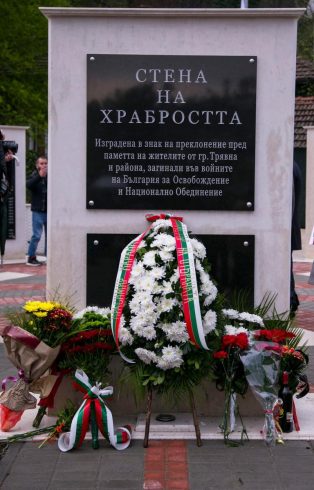
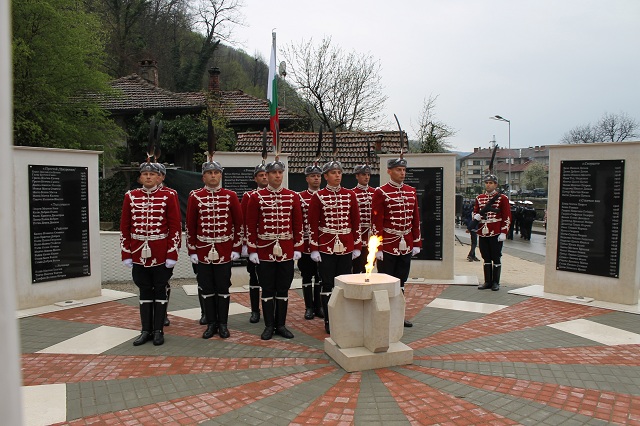
On the eve of the 143rd anniversary of the outbreak of the April Uprising, in the town of Tryavna and the town of Plachkovtsi on 19.04.2019, the two memorials “Wall of Courage” were opened. There are inscribed the names of the heroes who died for Bulgaria and were born on the territory of Tryavna municipality.

The memorial in Plachkovtsi was built on the initiative of the residents of the town, the Union of Military Disabled Cooperatives, the Union of Reserve Officers and Sergeants. On the six granite slabs are inscribed 121 names of the Bulgarian servicemen who died in the six wars in which the Third Bulgarian State participated. The monument was erected with the free labour of citizens and local patriots. From the archives of all the villages that existed in the past and currently in the region of Tryavna, the names of the heroes of the region who paid with their lives for the freedom of the Fatherland have been retrieved.

In Tryavna the known and unknown heroes of the wars are immortalized on large marble slabs forming the so-called “Wall of Courage”. In the middle of the memorial for eternity will burn the “eternal flame” in memory of the Bulgarian servicemen who died in the six wars. The so-called “Wall of Courage” is the idea of Boris Nikolov – chairman of the Union of Military Disabled Cooperatives in Bulgaria and chairman of the coordinating council of military-patriotic organizations under the initiative “One child’s tear – one prayer”.

Two places that prove the patriotic spirit of our region, the memory and respect we have for our ancestors who gave their lives in the name of Bulgaria is still alive.

Museum of the woodcarving art in Tryavna

Did you know that in Tryavna there is the only museum of its kind in our country, which is dedicated to the art of woodcarving?

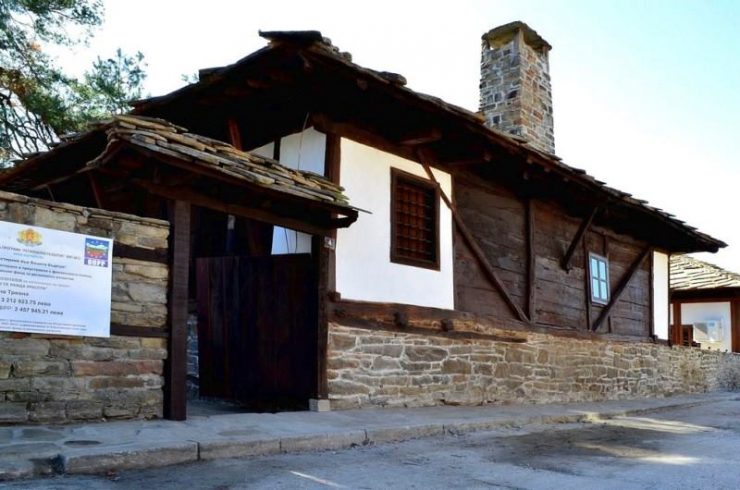
The Museum of the Woodcarving Art is located in Tryavna for a reason. Here is where the oldest art school in Bulgaria – the Tryavna School was established. It originated between the 17th and 18th centuries and developed in three directions – icon painting, wood carving and construction. These are the three main crafts practiced by the local masters. The three main types of carving are presented in the museum – the simplest, the so-called shepherd’s carving, the carving for home decoration and the most beautiful, but also the most difficult to make, church carving.

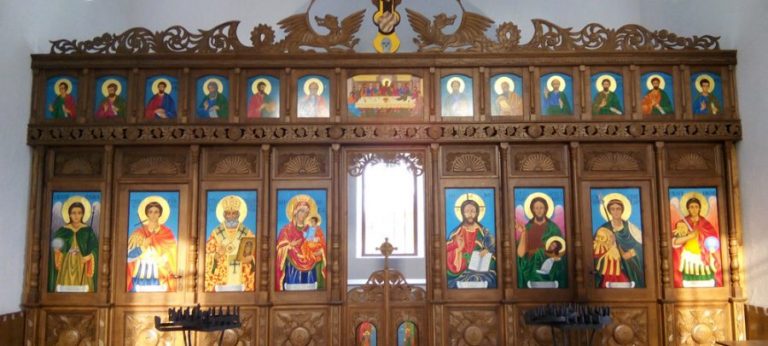
The typical Tryavna house was decorated almost everywhere in terms of interior – on furniture, ceilings, doors, columns, iconostases. Traditionally, the home iconostasis was present in every house. The museum preserves some of the best examples of iconostases made by Tryavna craftsmen. The museum also houses a wood carving workshop, which shows the way woodcarving is made, as well as the tools of the master.

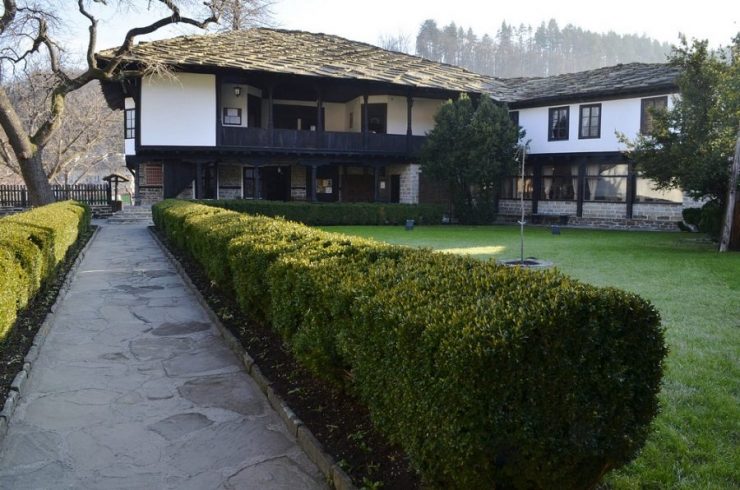
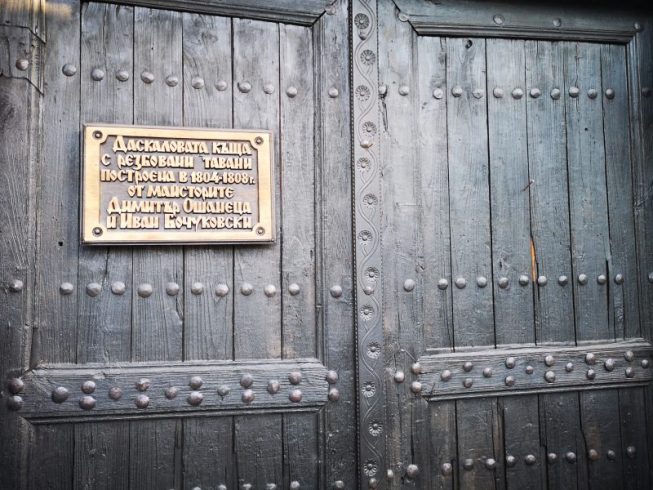
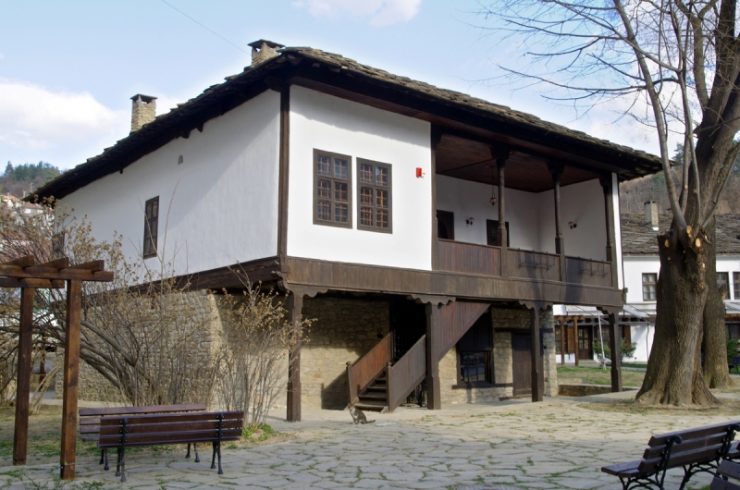
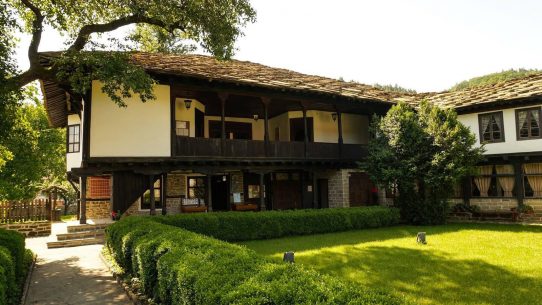
The Museum of Woodcarving Art is housed in the Daskalova House. The Daskalova House was built in 1804 – 1808. Even today it is argued whose carved sun shines more beautifully: the May sun carved by the old master Dimitar Oshanetsa or the hot July sun of the calf Ivan Buchukovetsa.

In addition to all other activities, the Specialized Museum organizes:

ADDITIONAL INFORMATION:

Opening hours:

November – March:

9:00 a.m. – 5:00 p.m.

April – October:

9:00 a.m. – 7:00 p.m.

No days off throughout the year.

Admission fees for adults.

Guided tour in Bulgarian: 5 BGN.

Guided tour in a foreign language – BGN 10.

The crafts of Tryavna – part 2

In the second part of the series about the crafts of Tryavna, we will tell you about several interesting and specific crafts left in the history of our beautiful town. Along with woodcarving, building and gaytandzhiistvo, crafts such as kuyumdzhiistvo, kazaslak and mutafchiistvo were also well developed in these lands.

Kuyumdzhiistvo

This craft brings together two subdivisions of artistic metalworking: goldsmithing – artistic working and making of objects from precious metals (gold and silver), and dyukmedzhiistvo – making practical objects from bronze, tin, and lead. The wealthier kuyumdzhii worked more goldsmithing.

The goldsmiths made women’s jewellery, mostly of silver, rarely gilded – pawns, bracelets, necklaces, earrings, headdresses and rings for “sokai”, men’s and women’s rings, buttons, crosses, boxes for tobacco and muses; church works – covers and coverings of church books, coverings of icons, candlesticks, crosses, potteries, relic holders. Goldsmiths’ wares were made in several different techniques – forged, cast, and filigree of silver and gold wire, enamel.

The dyukmedzhii made all kinds of household and handicraft utensils – candlesticks, door and window handles and latches, hooks for hangers, rings, mortars, forks and pruning hooks, metal bases for coffee and tea cups, barutniks, lead brandy holders, knife handles, dyulger plumb bobs and spirit levellers.

How developed goldsmithing was in Tryavna can be judged by some of the original works produced by various master goldsmiths. Goldsmithing reached a high level of development during the Revival period, when there was a general upsurge in crafts.

Kazaslak

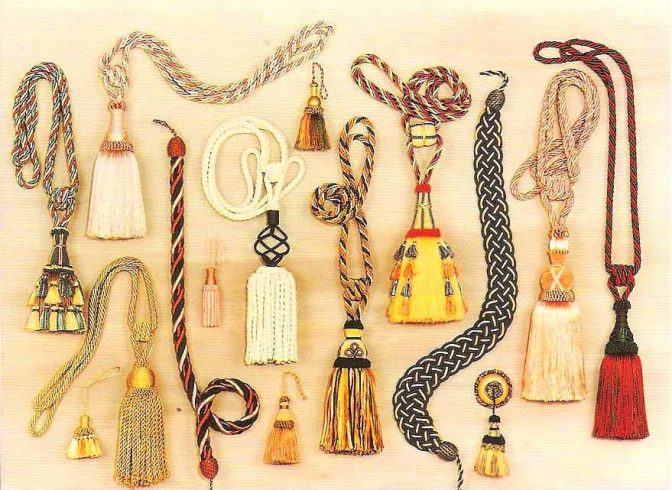
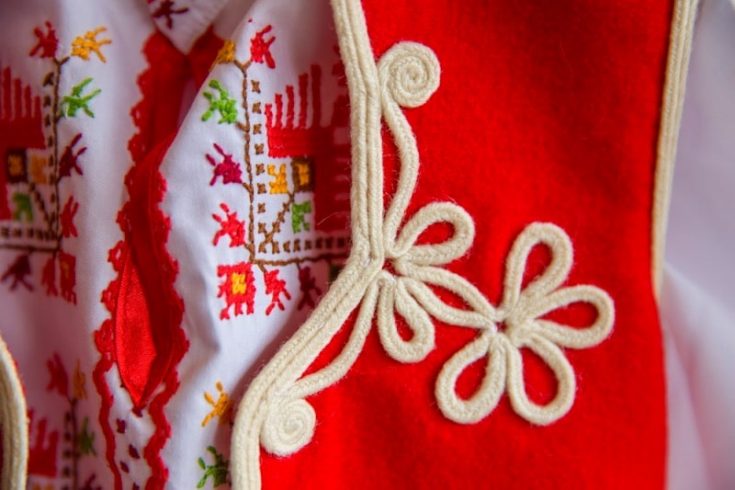
Kazaslak was a decorative textile craft widely practiced almost only in Tryavna. Its origins can be traced back to the late 17th century, and it is assumed that it was brought here at that time by Dimo Krosniv from Edirne The name derives from the Turkish word ‘kazas’ and means ‘raw silk processor’. The Kazasi masters made knitted ornaments and cords from cotton, wool and silk yarn – horse bridles and saddles, belts and axel bands for officers’ and guards’ uniforms, gaitans for men’s clothes, women’s belts, tassels, lanyards, cords for revolvers and watches, etc.

The source material was mostly soft white wool, which they dyed dark red or dark blue. Less often, for thinner knits or woven fabrics, they used linen, cotton or silk yarns. The Kazasi craftsmen selected the wool, silk and linen themselves and dyed them with durable vegetable dyes. The Tryavna Kazasi were sought after and preferred craftsmen. Their products were exported to Constantinople, Smyrna, Bursa, Beirut, etc.

In Tryavna this craft developed in its own way, in accordance with the available local raw materials and conditions. The Kazaslak crafts proved to be one of the most sustainable crafts in the town due to the fact that it retained its markets in Turkey for quite some time after the Liberation, and its craftsmen’s organisation showed flexibility and a flair for adapting to new conditions.

Mutafchiistvo

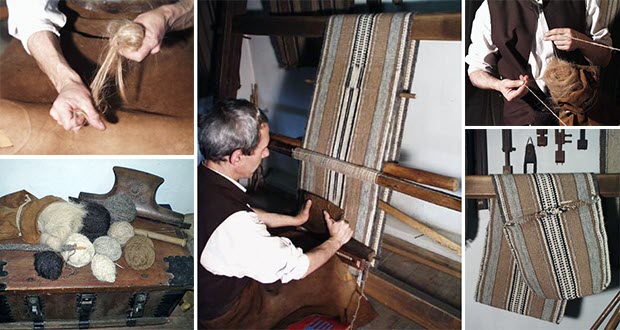
Mutafchiistvo craft was one of the best developed crafts in the past, related to the breeding of goats, from which alone the raw material for the preparation of mutafchiiski products is supplied.

This craft developed in connection with the expansion of crafts and trade and hence the increasing use of Kiradzhiiski caravans. Hundreds of craftsmen therefore worked in several of the largest Mutafchiiski centres during the Revival period. Sacks and bags for carrying various goods, horse belts and horse sacking were woven in large quantities. Among them are the large preshovas (sacks for wheat) and rugs in the natural colours of the fur, which are also characteristic of Gabrovo. The craft declined rapidly after the Crimean War. As producers of goat hair sacks and trails, a part of the mutafchiistvo survived after the Liberation, retaining their proverbial industriousness.

In the next article we will tell you about icon painting, copper work and pottery.

See you soon!

The crafts of Tryavna – part 1

The crafts of Tryavna are just a few. The history of each craft that has emerged in these lands is interesting. The people of Tryavna left their own imprint on several crafts, which we will tell about in several consecutive articles. The earliest known works of the Tryavna craftsmen from the 17th century show an already well-formed style of work, which made the Tryavna art school famous towards the end of the 17th century and the beginning of the 18th century and defined it as the earliest Revival art school in Bulgaria. Today we will talk about wood carving, building, gaytanjstvo (the art of the traditional woolen string decoration).

Wood Carving

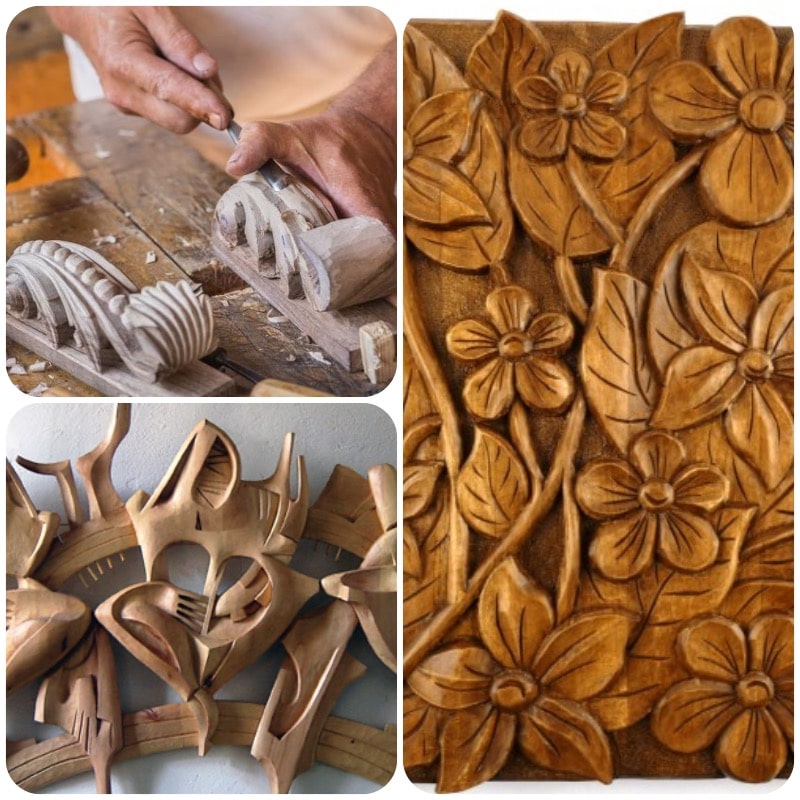
It takes a lot of love and endless patience to turn a piece of wood into something exquisite, to bring it to life, to achieve harmony. Much skill and dexterity is required to carve the hundreds of lines, turning the surface of the wood into stylized figures, tangles and shapes as if untouched by human hand.

Wood carving in our lands has a long tradition both in everyday life and in arts. It is not known when the beginning of wood carving in Tryavna was established. The abundance of wood, the proximity of the samples from medieval Tarnovo helped the development of this craft. One legend tells how woodcarving came to be here – there was a monk named Vikentius from the Athonite monastery “Zograf” who passed through Tryavna and took with him a little boy to teach him the craft of woodcarving in the monastery. When he returned with the monk’s name Vitan, the boy had already mastered carving and icon painting to perfection. This was the beginning of the Vitanov family – the largest family of carvers and sculptors in Tryavna. Generations of craftsmen of the Genchov family from Genchovtsi huts also produced wonderful pieces of woodcarving. Carving as a craft was passed down from father to son. The masters first drew on paper the motifs they intended to transform into wood. The Tryavna people preferred plant motifs – rose, blush, marigold, vine leaf, as well as the sun as a symbol of the rebirth of life. Peacocks, doves, nightingales, even camels sometimes appeared among the branches and leaves. The outlines of what was drawn on the paper were transferred to the wood prepared for carving. The Tryavna masters worked on walnut, linden, alder, pear, oak, and poplar. By skilfully mixing techniques they achieved a natural play with the colours of the wood. Carvers made their own tools with the help of local blacksmiths.

A very strong urge to the development of this craft was given by the increased construction of churches in the Bulgarian lands, which lasted throughout the 19th century. The surviving early works of the Tryavna carving school are very few and are found in Arbanassi and some of the monasteries of Tarnovo. The lavish carvings of the 19th century can be seen in the two Tryavna churches, as well as in Gabrovo, Sevlievo, Svishtov, Troyan, Chirpan and many other towns and villages.

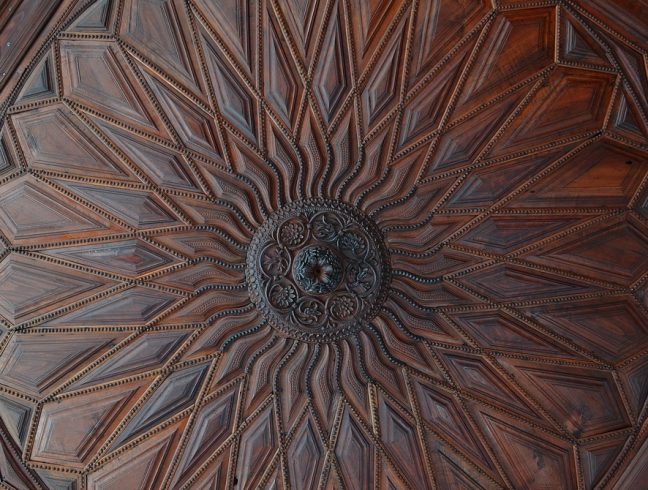
The simplicity and charm of domestic wood carving can still be found not only in the Tryavna houses, but also in the Bozhentsy and Zheravna houses. In 1808, the two suns rose on the ceilings of the Daskalov House, which to this day remain unsurpassed in their beauty and harmony.

Building

Construction is one of the most prominent crafts in Tryavna. The skills of the Tryavna craftsmen to build beautiful buildings are linked to the development of two other crafts – wood carving and icon painting. At the dawn of the development of the Tryavna art school, the masters often took over the construction and interior decoration of churches. As the demand and orders for church building increased in the first half of the 19th century, construction, icon painting and wood carving were separated as crafts, which did not prevent individual families from combining their skills in each of those crafts. Thus, the Vitanovs were carvers and icon painters. The Genchovs were excellent builders and carvers. From this family originates the first master Gencho Kanev – the equivalent of Master Kolyo Ficheto, who managed to incorporate the Bulgarian building traditions into the European ones. In the 19th century the other great master of the Tryavna building school – Dimitar Sergyov, who was the first among the Tryavna builders to be recognized by the Ottoman administration as an “architecton”, i.e. with the skills of an architect.

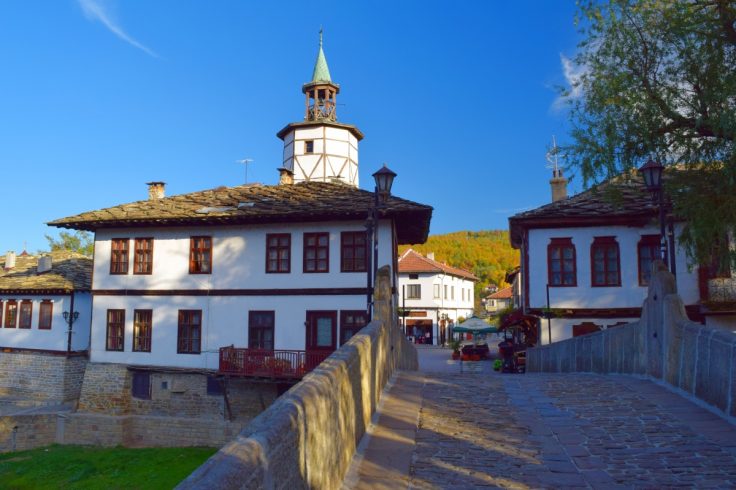
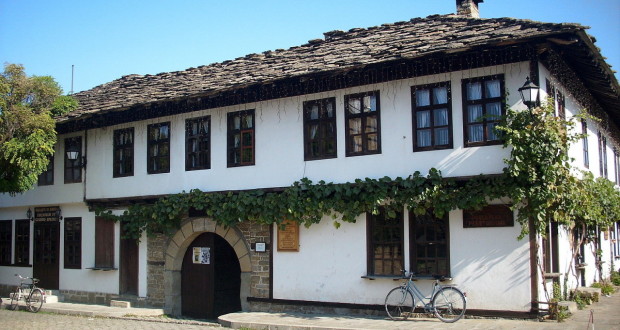
The appearance of Tryavna is due to its unique architecture, thanks to the generations of master builders who built churches, bridges, schools, who created the original Tryavna house. Hidden behind a high stone walls during troubled times or with the open shutters of the mid-nineteenth-century workshops just off the street, the Tryavna houses impress with their architecture. Some of their distinguishing features are: two-story plan with bayed upper storey, white walls with numerous ‘eyebrow’ windows and chamfered outer corner windows. The most memorable Tryavna house is the Daskalova one – the house with the two carved sun-ceilings for which the master and the squire made a bet. Among the masterpieces of the Tryavna architectural heritage are the houses built by Dimitar Sergyov: Kalincheva /1830/, Dobreva /1834/, Raikova /1846/, Kireva /1851/ houses. Unique for its urban planning is the square “Captain Grandfather Nikola”, almost entirely preserved its authentic appearance from the 19th century.

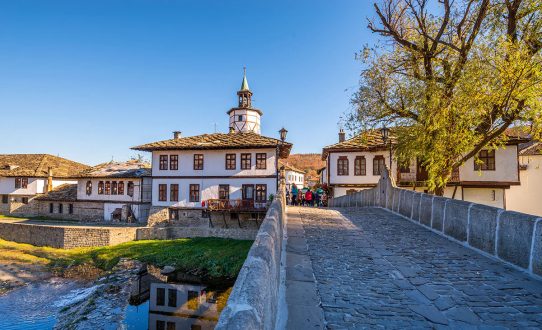
Harmoniously connected with the surrounding architectural environment and the appearance of old Tryavna is the arched stone bridge, also known as the Humpback Bridge, built by Dimitar Sergyov in 1844-45.

There are much more than just a few examples of magnificent churches, school and other public buildings built by Tryavna craftsmen in many other settlements across Bulgaria.

After the Liberation many of the successors of the former builders went to neighbouring countries, to Asia Minor, America, Australia, where they worthily defended what they had learned from their predecessors.

Gaitandzhiistvo

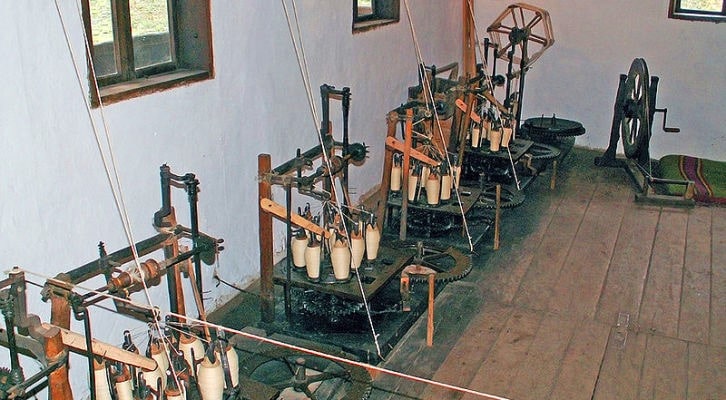
Gaitandzhiistvo is the production of gaitan, a knitted woollen cord used to decorate traditional Aba clothing. As a craft, it accompanies abadzhiistvo and terziistvo (another two crafts related to the production of wooden and general clothing). Gaitans were originally made by hand – women spun the wool and plaited it. Later, the chekrak (a traditional spinning wheel) was used, the production was mechanised and the gaitandzhii bought directly the finished yarn. It developed rapidly during the Revival and especially in the 19th century. After the Liberation, Bulgarian gaitans continued to be sought after on the Turkish market and this continued until the First World War.

Gaitans are used for costume decoration. From a practical means of strengthening the edges and seams of thick woolen garments, they turn into intricate drawings – a testimony to the Bulgarian woman’s sense of the beautiful, her creative abilities and craftsmanship in the making.

The craft centers of Karlovo, Kalofer, Kazanlak, Gabrovo, Sopot, Kotel, Sliven, Pirdop, etc. became the main centers of the Gaytandzhii art. In the second half of the 19th century, the iron machine parts were introduced and this contributed to the further development of this craft. In the years immediately before the Liberation, the gaitandzhiistvo industry became one of the most important branches of textile production. Later it declined along with other crafts. The reason for this was the strong competition of manufactured products imported from Europe.

to be continued…

Interesting legends related to Tryavna

Legends of the establishment of the town

The first legend I will tell you about is from the time of the Second Bulgarian Kingdom.

There were three brothers with royal blood (can you guess who?) who decided to build a church in honor of “St. Michael the Archangel” as a sign of gratitude to the Lord who helped them win an important battle. One of them, Kaloyan, chose Tryavna for the location of his temple. His people liked the area and the scenery, and the proximity to the then capital, so much that they decided to settle here. And that is how the town came into being.

Another theory says that when Tarnovo fell under Ottoman rule, the boyars fled and found refuge in the Balkan. One of the newly established settlements was today’s Tryavna.

The third version is the most plausible as there are historical records about it. People were offered tax breaks in exchange for guarding the Tryavna Pass. This attracted more and more people who were willing to do that, which led to their settlement in the area and the founding of the town.

Origins of the name Tryavna

There are several theories about where the name of the town comes from. Number 1 says that the culprit is the lush grass that grows in the Balkan.

According to another theory, the name is due to a type of beehives (thorns) that were scattered throughout the area.

The third is entirely related to its location at the time – from “trans – vein”, meaning pass beyond.

There is something else curious, which was rather the nickname of the town during its heyday. Neighbors began to enviously call it Alton Tryavna, translated as Golden Tryavna, which still suits it today (in my opinion). In this connection – the Kardzhalii burned it down several times, but the town was rebuilt again.

The Legend of the Love Fountain

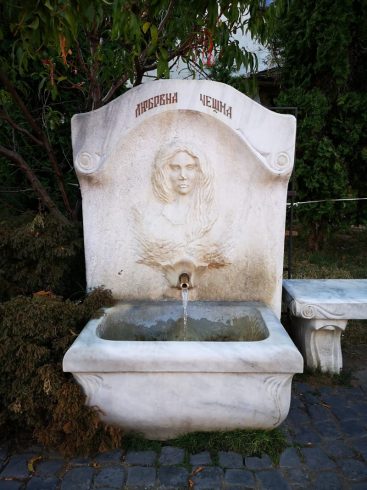
One of the most interesting legends of Tryavna is related to the marble fountain in the town, better known as the love fountain.

The legend tells of the most beautiful maiden of Tryavna and her lover, a young carver, who was not recognized as such by the local gentry. This did not give him the courage to ask for the hand of the beauty, so he decided to prove himself by creating a fountain from the most complicated material to work – marble.

With a lot of effort and sweat, the young man coped with the task and sculpted a beautiful fountain, which sealed the image of the maiden. He could now and asked for her hand.

According to legend, this fountain has never run dry, and whoever sips from its water takes a sip of the eternal love of the two lovers.

A sacrifice for the Clock Tower – the city’s emblem

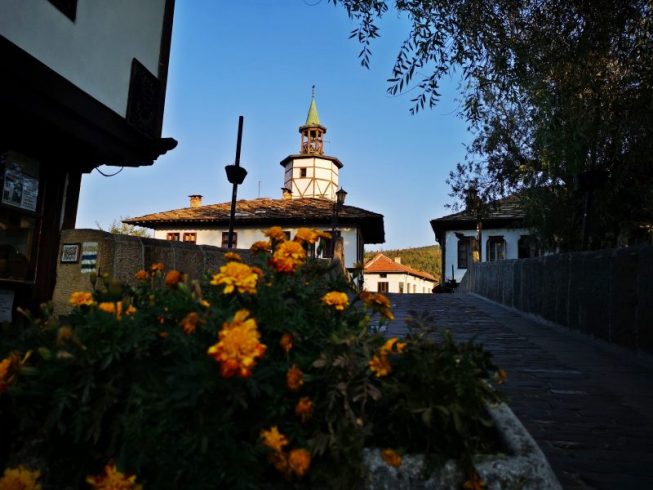
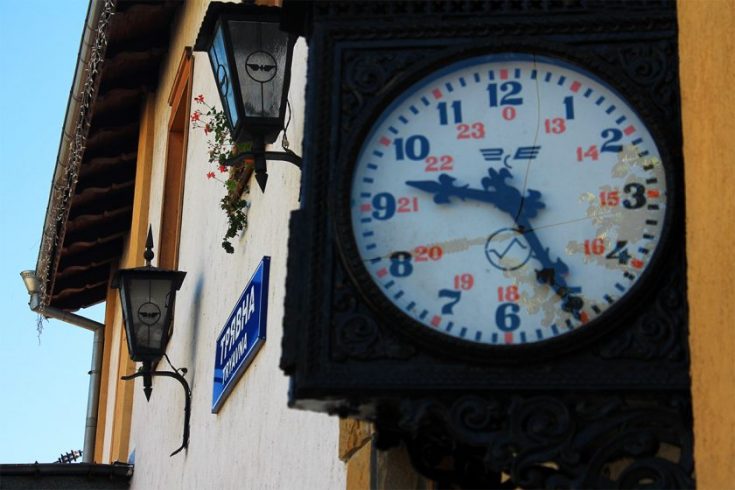
Surely each of you has seen or heard of the Clock Tower – one of the emblems of the city.

There is a legend connected with its construction. It is said that in order to get the building permit, the Tryavna women had to make a sacrifice with their looks, and we all know how difficult that is!

The girls had to give up a traditional adornment, the sokai, which they wore and it resembled a royal tiara. Well, the result was worth it, as for over 200 years the Clock Tower has graced their hometown.

The legend of a bet or the bet that became a legend

The Daskalovata House is another must-stop in Tryavna and there are curious facts around it too.

A legendary contest was held there, famous for the bet between Master Dimitar Oshanetsa and his assistant Ivan Bochukovetsa – who would make a more beautiful carved ceiling. For 6 months the two worked in adjoining rooms, one of the conditions being that they did not know what the other was doing.

The results were stunning – unique suns shining from the ceilings. Master Dimitar was chosen as the winner, but his assistant Ivan was too – he won the title of master and the hand of the owner’s daughter.

and the hand of the owner’s daughter.

And have you heard other legends about Tryavna?

Author. Georga de Marki co-founder of saveti.bg

A trip from Tryavna to the Transfiguration Monastery for a day

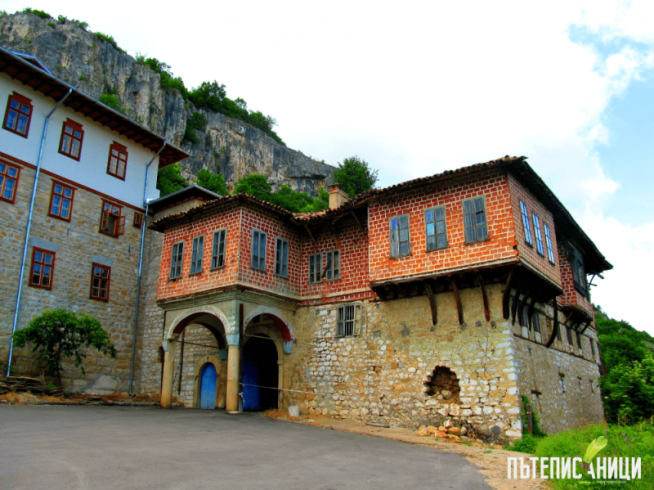
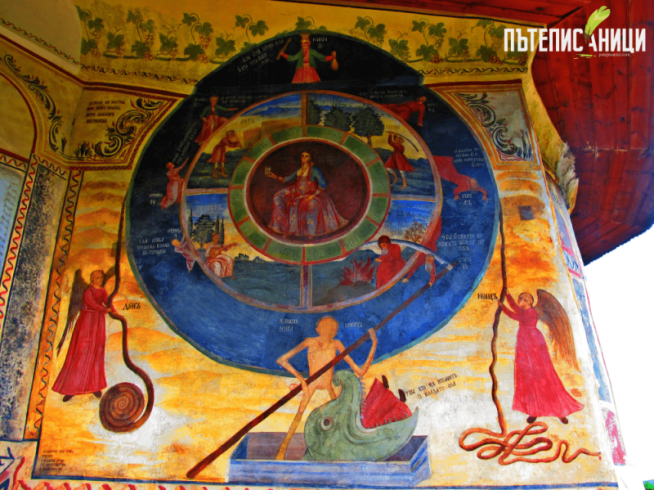
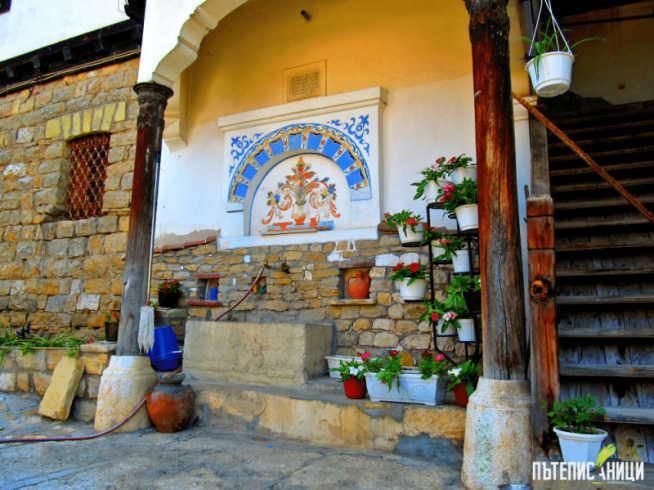
If you are looking for a pleasant and peaceful place for a walk near Tryavna, we no doubt recommend the Transfiguration monastery “Transfiguration of the Holy Lord”. Tucked away in a wooded gorge on the banks of the Yantra River, the monastery is located only 47 km from Kalina Palace Hotel, Tryavna and 7 km from Veliko Tarnovo. It is the largest monastery in the region and the fourth largest in Bulgaria, so it has definitely something to impress you with! The holy abode is best known for its frescoes, the work of Zachary Zograf, as well as the miracles that still happen to this day here. It is a great destination for a one day trip in which to see and learn something new and interesting! A great idea for a trip when visiting Tryavna!

The history of the Transfiguration Monastery

The Transfiguration Monastery was founded in the 11th century as a convent of the Vathophed Monastery in Athos. It became autonomous around 1360, with Queen Theodora-Sara and her son Tsar Ivan Shishman taking the main credit for this. They donated a lot of funds for large-scale repair and reconstruction of the holy monastery, which is why it is often called “Sarin” or “Shishmanov” monastery.

The building you will see today was erected in 1825 by the Rila monk Father Zotic. The construction of the main church in the Transfiguration (Preobrazhenski in Bulgarian) Monastery began around ten years later, under the direction of Dimitar Sofialiata. After his hanging, the church and the monastery were completed by the most famous Bulgarian Master builder Kolyu Ficheto.

The Paintings of Zahari Zograf

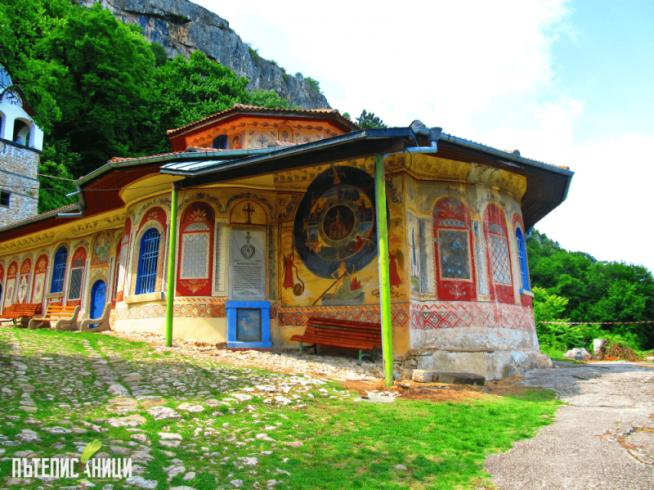
The frescoes are some of the most interesting and mysterious elements in the monastery. They were painted by Zahari Zograf himself from 1849 to 1851. The most impressive one of them all is the “Wheel of time” that illustrates the transience of the earthly life and all of the stages the human life goes through. Another impressive mural of Zahari Zograf, which you will see in the monastery, is the “Doomsday”, as well as the frescoes “Nativity of the Virgin Mary”, “Ascension of the Holy Virgin” and “The Last Supper”. Pay attention also to the lush wooden iconostasis in the main church, which is the work of Tryavna masters.

The Monastery- a sanctuary, an enlightenment centre and a hospital

Strange as it may sound, the Transfiguration Monastery was used as a refuge for the fighters for religious and national independence. It was also a cultural and educational centre and a hideout for revolutionaries. During the Russian-Turkish War of Liberation (1877-1878), part of its premises was converted into a military hospital. Evidence of all this can be found in the library and museum exhibition in the monastery. During the Ottoman rule, the monasteries were one of the places where our Bulgarian identity was preserved, which is why they are so interesting to visit from a historical point of view.

The miracles in the Transfiguration Monastery

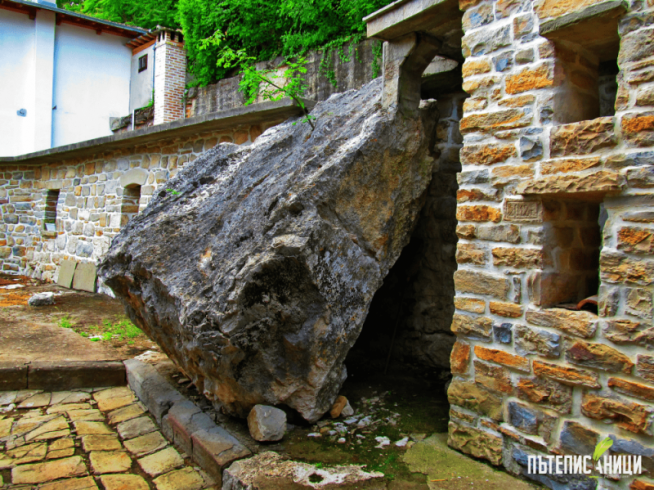
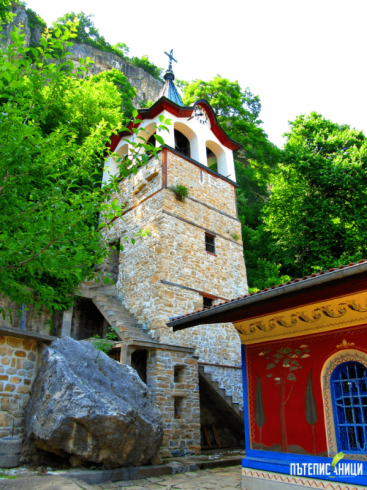
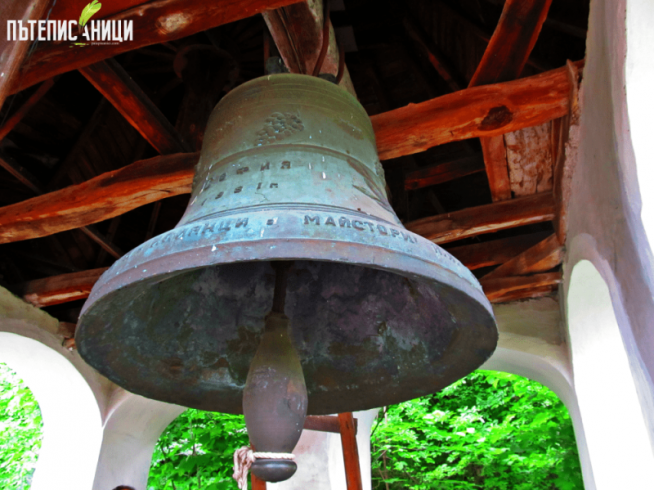
As soon as you enter the courtyard of Transfiguration Monastery, you can’t help but notice the huge rock chunks next to the church and the bell tower. It was a miracle that when they fell they passed only a few meters from the temple, leaving it intact. In fact, the miracle happened on July 6, 1991. Then a huge chunk of rock fell from the cliffs above the monastery.

It rolled right up against the church and would have destroyed it. Fortunately, however, the chunk of rock smashed into the then clock tower and split in two. Thus, as if by magic, it passed on either side of the temple. The monks’ cells are destroyed but, fortunately, there are no casualties.

It is as if some invisible force protects the Transfiguration Monastery. Over the ages it has experienced several landslides and earthquakes, including the great Gornooryakhovo earthquake in 1913. To this day, the holy monastery stands the test of time and preserves part of our Bulgarian memory and history. If you want to know more about the secrets of the Transfiguration Monastery, ask one of the abbots, they will gladly tell you wonderful stories!

Author: Boryana Krasteva, head editor of patepisanici.com

Boryana was a dear guest of ours in the autumn of 2019, when together with a few other travel bloggers we toured around our beautiful city and tried to introduce them to a small part of the Tryavna culture and customs. 

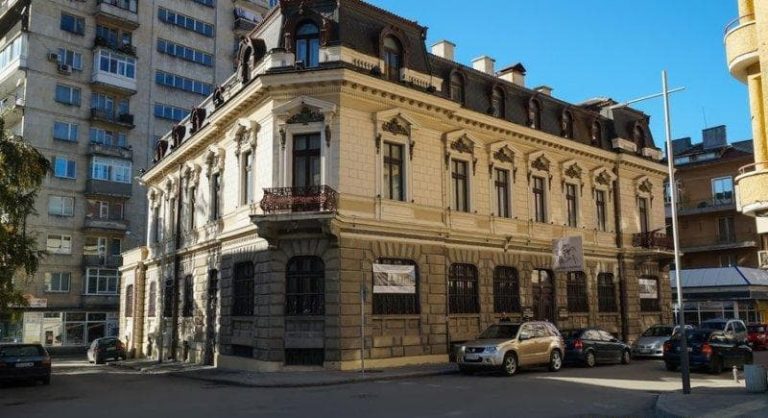
7 sights in Gabrovo

Gabrovo is located only 15 km away from Tryavna. A city known not only for its love of jokes, for its annual carnival of humor and satire, for its numerous monuments and bridges, but also for being one of the longest cities in Bulgaria with a length of 25 km, along the banks of the Yantra river. Today we will present 7 sights in Gabrovo we would advise you to visit, that are only a few of the numerous sights in the mountain town has to offer.

1. Museum Home of humor and satire

Museum House of Humor and Satire was opened on 1st April 1972. It is the single such museum in the world. In ten halls it gathers and represents the work of over 150 humor masters from all over the world. The museum has a variety of functions – it is a museum of laughter, a gallery of international humorous art, an information center, a place for entertainment and a tourist attraction for all ages. The purpose of the museum is to collect, research, exhibit and promote the humor of the nations in the field of fine arts, literature and folklore, photography, posters, holiday and masquerade traditions around the world.

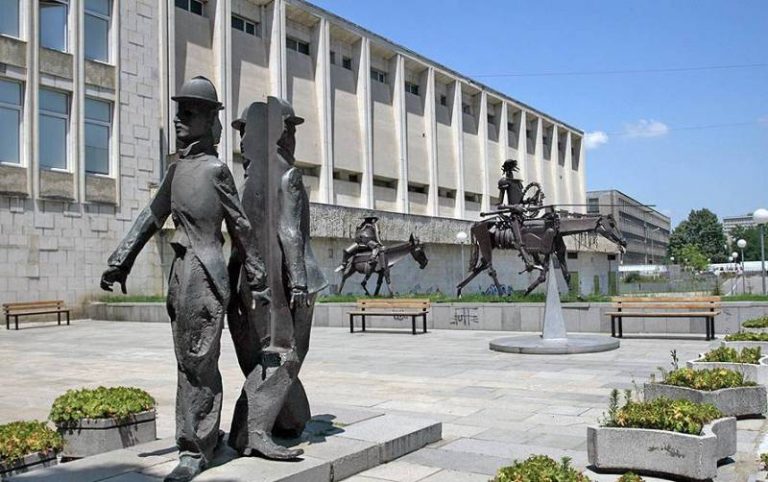
The museum is located in the center of Gabrovo, close to the bus station and railway station. The House of Humor and Satire welcomes its visitors with the cheerful greeting of favorite humorous characters, whose sculptural compositions can be seen there and form the Park of Dare: Hitar (Cunning) Peter, Charlie Chaplin, the inseparable Don Quixote and Sancho Pansa, the work of Prof. Georgi Chapkanov.

Gabrovo jokes:A Gabrovo family had some guests over. However, the guests stayed a while longer, so the eventually the wife reminded her husband: Come on, dear, let’s go to bed because our guests may want to go home already!…

2. National museum of education and National Aprilov high school

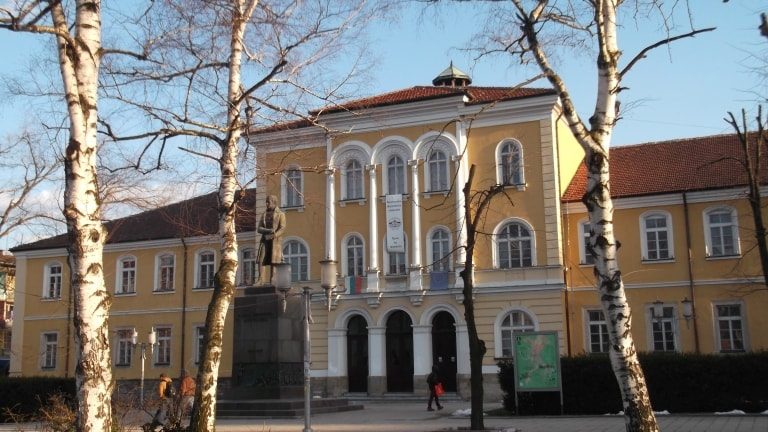
It is located in the building of the National Aprilov High School. The museum is listed as one of the 100 national tourist sites. It was created in 1973. It is the only specialized museum in Bulgaria that preserves and reflects how education used to take place. Its fund preserves the memory of Bulgarian education – about 200,000 documents, photographs and material related to the educational work from the 10th century to present day. Here you can see the reconstructions of a cell school, a kindergarten from the late XIX century, of the first contemporary Bulgarian school.

On January 2nd 1835 the First Bulgarian Secular School was opened in Gabrovo under the Bel-Lancaster method with donations from the prominent Gabrovo patriots Vasil Aprilov, Nikola Palauzov, Vasil Rasheev and others. For the needs of the school, the first textbooks, aids and tools were created, which were taken as a model by the later Bulgarian schools. Since 1872, the Gabrovo School has grown into the First Full High School in the enslaved Bulgarian lands. Since 1889 it has adopted the name of its benefactor Vasil Aprilov and was called The Aprilov High School. A new stage in the development of the high school began in 1988 when on January 25th the Ministry of Culture, Science and Education approved a new status of high school, with which it became a secondary school with a humanitarian profile with a course of education from 8th to 12th grade with a national acceptance of students without social restrictions.

3. Dechkova museum house

The Dechkova house is an architectural and cultural landmark, a historical monument of culture, built in 1835 and one of the best preserved houses from the Revival period in Gabrovo. It was home to one of the most prominent merchants in the city. In the years since its establishment there was a Girls’ School housed in it, then it was used as a town hall and during the Russo-Turkish Liberation War it used to be a hospital for wounded refugees. In November 1883, a branch of the Red Cross was also opened in the house. Today the Dechkova House looks exactly as the original since during the restoration the architectural traditions of the typical local style have been preserved and the rooms still have the original furniture from the early 19th century.

4. The Regional History Museum- Gabrovo

One of the oldest cultural institutions in Gabrovo is a regional history museum, which is also a direct successor to the established museum at the Aprilov High School. In the museum the visitors can see the unique finds from the Paleolithic period such as a cave bear, bones of an ancient man, tools of labor, etc. They were discovered in Bacho Kiro cave, which is one of the 100 national tourist sites. It is located near Dryanovo monastery in western direction. The museum has 4 departments: Archaeology Department; Department “Bulgaria XV – XIX century”; Department “Ethnography” and Department “New and Latest History”.

Nowadays its rich collection includes 120,000 units from the Paleolithic era, the late antique civilization of these lands (4th – 6th centuries BC), the First and Second Bulgarian Kingdoms, the Ottoman period, the Revival, the industrial upsurge until present day. Among its most valuable exhibits are: armaments of the Gabrovo derventzhii from the Ottoman period, the most thorough set of sokay headscarf in any Bulgarian museum, the first Bulgarian banknote of 20 BGN, the flag of the first factory in the Principality of Bulgaria after the Liberation – the only factory flag preserved in any Bulgarian museum, etc.

The museum is housed in a beautiful Baroque building – a monument of culture of national importance, designed by the great Bulgarian architect Nikola Lazarov, built in 1904.

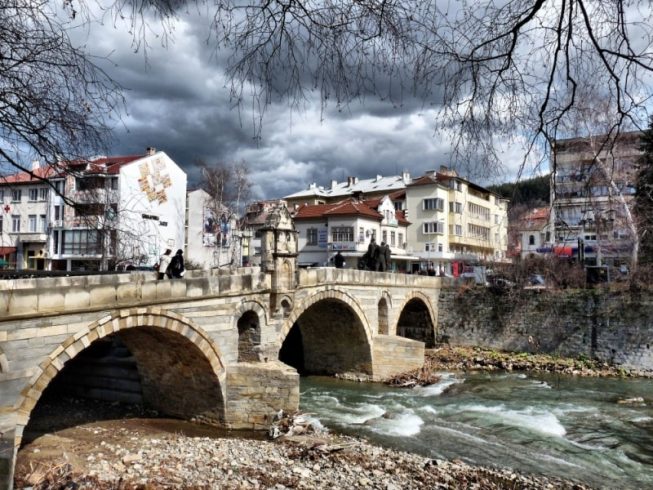
5. Baeviyat (Bayov) bridge

Built in 1855 The Bayov bridge is one of the symbols of the city and has been declared a monument of culture. It is located in the center of Gabrovo and was made in 1855 by Master Mincho Stoyanov. It is dedicated to the participation of the people of Gabrovo in the April Uprising. The name is quite interesting and comes from an old mill, which was located very close to the bridge and was one of many built along the Yantra River. It is made entirely of cut stone and is one of the few that has been organically preserved within the new urban setting. In its high part you can see an inscription according to which Sultan Abdul Mejid personally allowed the bridge to be built and even financially supported its construction. Several interesting unique sculptural compositions are a part of the bridge:  „The Wounded Rebel”, “The Figure”, “Science” and “Apriltsi”.

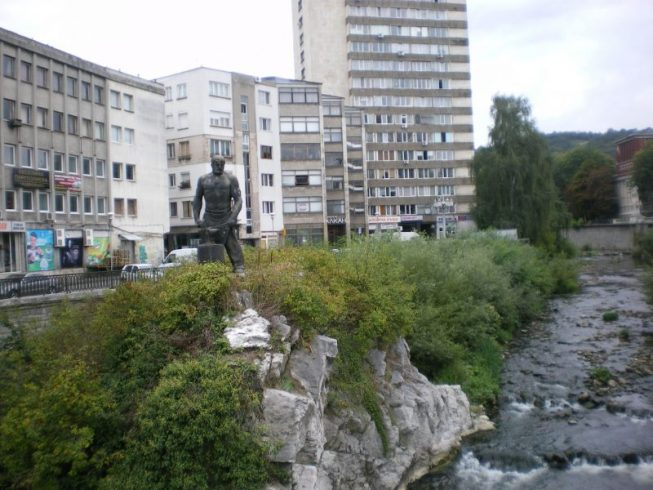
6. The Monument of Ratcho Kovacha (The Blacksmith)

The statue of Racho Kovacha is located on a large rock, next to the waters of the Yantra River. For the local people, Racho Kovacha is the founder of the city, because a settlement was formed alongside his forge and thus the town of Gabrovo appeared and formed its appearance as a town of craftsmen. An old legend tells that above the workshop of Racho Kovacha there was a large hornbeam tree and that is how the name of the settlement came to being.

The monument of Racho Kovacha is the only one built in a river in Bulgaria. Proverbial with their frugality the Gabrovo people decided to put the monument at this precise location in order to save living space and not to spend money on the honoring the monument.

The statue is made of bronze and its sculptor is Lyubomir Dalchev. It depicts a sturdy large man holding a hammer in one hand and pliers in the other, that hold a piece of metal on an anvil. Racho Kovacha himself is from Bozhentsi and moves to this area in order to horseshoe the horses of the caravans and repairing their carts. Over the years, Racho has formed a family, and by following his example many others have done so.

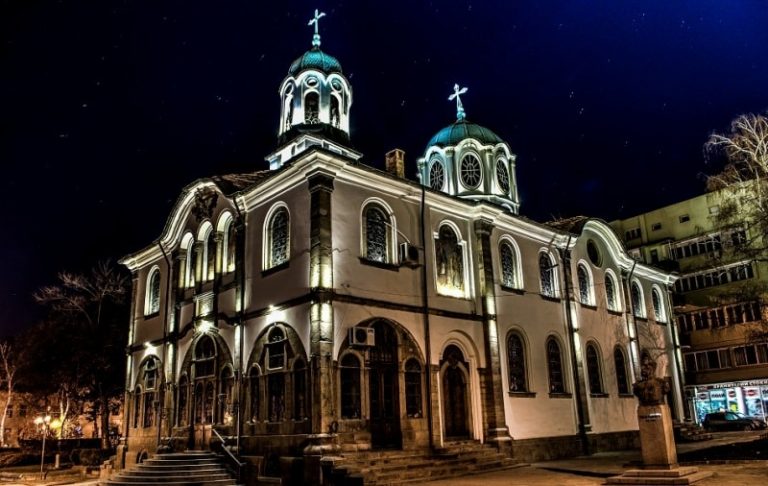
7. Church Ascension of the Holy Virgin Gabrovo

One of the most beautiful temples in all of Bulgaria is the Ascension of the Holy Virgin in Gabrovo. The building itself is a masterpiece of Christian architecture during the Revival period in Bulgaria. It is located near the first church in Gabrovo – “St. Petka”. In 1231, the relics of St. Paraskeva Epivatska passed through the town on their way to the capital city of Veliko Tarnovo and following Christian tradition the locals build a church on the location where the relicts stopped overnight. “St. Petka” also used to exist during the Ottoman period. In 1798, Capudan Hussein invaded the city with his troops and ravaged it. Then the church was mercilessly burned down. It has not been restored- instead a new temple has been built to the side of its remains without permission from the Turkish authorities. The new church is also called the Ascension of the Holy Virgin and it is small and dug into the ground. In order for it not to be closed due to the lack of official permission from the Sultan, it accommodated Samardzhii.

In the 19th century Gabrovo became a commercial and enlightenment center. Here the inhabitants needed a larger and more majestic temple. The old church was pushed down and a few days later in May 1865 began the construction of a new one. It was built by the most famous Revival master in Bulgaria, Gencho Kanev, architect of the April High School and several other churches in neighboring Romania and Hungary.

GABROVO JOKES:

A Gabrovo family had some guests over. However, the guests stayed a while longer, so the eventually the wife reminded her husband:

Come on, dear, let’s go to bed because our guests may want to go home already!…

Give me five eggs of a black hen- said a man from Gabrovo to the salesman

If you can recognize them, take some!

The Gabrovo man took the largest ones and left.

*****************************************************************************

A Gabrovo lady asked her husband how much of an egg she should put in the soup.

Today it’s a holiday- put a whole half in it- he replied generously.

We have presented to you seven of the most remarkable sights, that you would not like to miss out on in the town of Gabrovo. The photos are from rezervaciq.com. No matter if you are guests of the Kalina Palace hotel or you are travelling on your own through the region, take some time and visit Gabrovo. It is totally worth it and you will be very impressed!
7 sights to visit in Tryavna in a day

Tryavna is one of those magical places that need neither a lot of words, nor a lot of explanation or time to fall in love with the town and for it to stay in your heart forever.

Today we have selected a small part- only 7 places to visit in Tryavna in just one day. This is something like a short travel guide to the town and a virtual stroll back in time. We have no claim for this to be a thorough overview for all that can be seen in Tryavna. It’s only 7 sights that we have picked that you can visit in a single day.

1. Captain Dyado Nikola Square

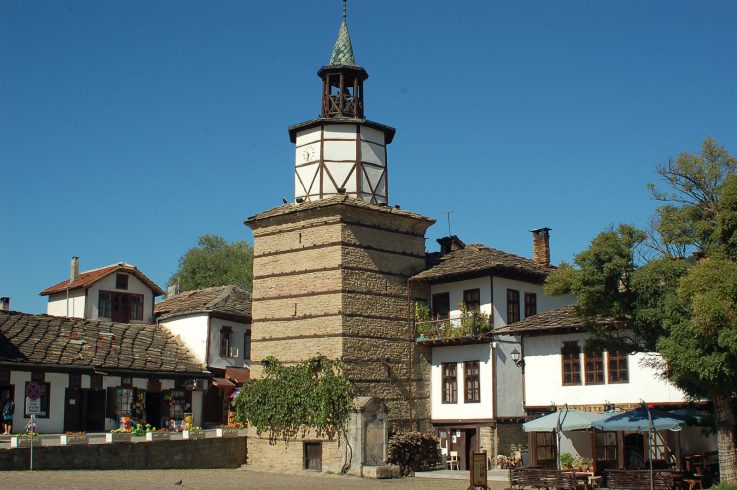
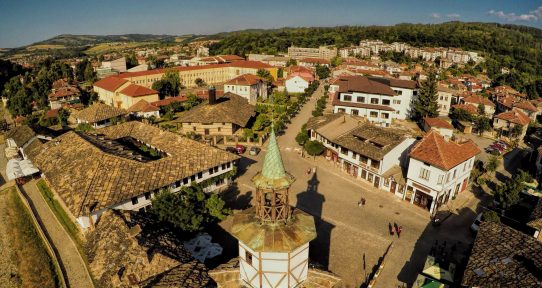
This is the single preserved revival square in Bulgaria. It is unique in terms of its architectural planning. Most of the buildings enclosing the square have an amazing architectural value. Build throughout different time periods by different building masters and as we all know the talent of the local master builders is indisputable. This square is the most significant, unique and one a kind preserved revival square in Bulgaria with an imposing clock tower dating back to 1814, the Old Slaveykov’s School (located to the right of the square), with the ancient church of the Holy Archangel Michael across the street and the Old Kivgir Bridge (the Hunchback Bridge) that connects the craft street with the square. The square has been declared for a national cultural treasure of great local importance.

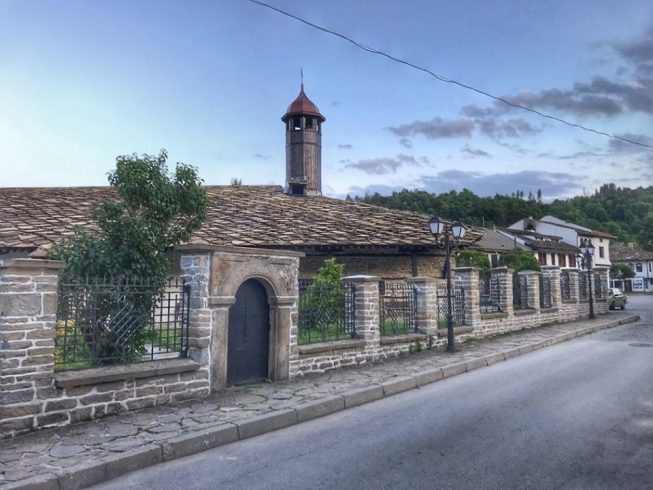
2. The Ancient Church of the Holy Archangel Michael

According to an ancient legend passed onto generations by the locals, the church was built in the 12th C. In order to express their gratitude to God for a successful battle in the Tryavna Pass, the brothers of the Asen Royal family built three churches devoted to the Archangel Michael. One of these is the Tryavna church in question. Up to present day this legend is neither confirmed, nor denied by historians. According to recent research, the church surely existed as early as the late 12th C. It was burnt down to ground during the great Kurdzhali invasion over Tryavna in 1798. Nowadays it’s opened to visitor

3. The Kivgir (Arch) Bridge

One of the landmarks of Tryavna was built in the period 1844-1845. In the beginning it was a wooden bridge, however due to heavy rain the local river would constantly overflow and destroy it. That’s why the locals decided to reconstruct it with stone. The construction itself was entrusted to the building master Dimitar Sergyuv, who took a long time to precisely pick the stone blocks- to withstand cold, heat, water. He constructed the bridge in Roman style with a high arch with a big curve so that it could easily let the waters of the Tryavna river pass even during the rainy season. With length of 25m, width of nearly 4m, more than 160 the Hunchback Bridge as its commonly called has withstood all the wraths of nature. The large blocks of cut stone were held together with iron bolts and lead spoiling. You can notice an interesting detail that is often subject to controversy and smiles. It’s about the tiny ablution pitcher carved on one of the large stone blocks. Some say that it serves as a reminder to the people from Gabrovo to wash and cleanse before entering Tryavna, while others claim that the people from Tryavna are supposed to do that on their way to Gabrovo

4.The Clock Tower

The Clock Tower is part of the single preserved revival square in Bulgaria. It was as early as 1814 with a clock mechanism dating back to the following 1815. According to an old legend in order for the locals to get a building permit all the Tryavna women had to give up wearing the traditional regional head jewel, called sokai. In terms of architecture one can notice that the different parts of the tower are built in perfect proportion. The tower bell was carved by the Gabrovo masters Kuncho and Gencho Radoslavov in 1815. Later on in the 70’s of the 20th C a tape-recorder was added to the clock mechanism that starts playing the Pencho Slaveykov’s Inseparable song at 22.00 every evening after the last 10th ring of the bell for the day. Nowadays the song has become the hymn of the town.

5. Slaveykov’S (Old) School Museum

The Old School was built in the period 1836-1839, making it one of the first secular schools in Bulgaria. It was established as a monitorial school in the fall of 1839. Some ten years later the people from Tryavna invite over Petko Slaveykov to teach here, who also established a class school in the same building. He was the one to introduce teaching music, arts and sports in the school. In the spring of 1850 the first annual exams are held in the school. The changes that Slaveykov introduces here are so many in number that up to present day the school is known as the Slaveykov’s School.

6. Popangelov’s House

The Popangelov’s House is considered to be the oldest architectural monument, preserved on the territory of the Tryavna Municipality. Its construction dates back to the second half of the 18th C. Once upon a time its owners used to practice one of the rarest artistic crafts, called kazasluk, which involves making decorations for clothing, belts and horse tackle from silk and fine wool treads. There is evidence found that the decorated horse tackle for Knyaz Alexander Battenberg has been a gift from the local craftsman in Tryavna. The house was one of the hideouts of Vasil Levski when he had been visiting Tryavna on business of the Revolutionary Committee. Up to present day here one can actually see the secret places the Deacon used to hide in case of danger.

7. Daskalov’s House

The Daskalov’s House has been built for two of the sons of Hadji Hristo Daskalov. On the day that the house had to be sanctified on St. George’s Day 1808 the master Dimitar Oshanetsa and the apprentice Ivan Bochukovetsa made a bet and for six months they were working of magnificent carved wooden ceilings in the shape of a sun in two of the rooms of the house. These suns shine on the guests of the house till present day and make people winder which one is the more beautiful one. Here in 1963 the single of its kind Woodcarving Museum was established that show the development of the oldest Revival woodcarving school in Bulgaria- the Tryavna one. It goes a long way back to the simplest shepherd’s carving through the interior decorative woodcarving of the local houses and iconostasis and reaching all the way to the deep plastic woodcarving that the local masters did to decorated church iconostasis, bishop thrones and other objects from the daily or the ritual life of the locals.

Actually, if you plan well you could visit twice as many places in just a day! We wish you plenty of time to be able to relax and at the same time tour not only all the sights of Tryavna, but also the ones in the area, as well!
Travel bloggers visiting Kalina Palace hotel – part 2

As previously promised in our first article for our guests in June, today we are going to take you along on a walk with us around Tryavna and the Balkan Mountains through the eyes of the second group of travel bloggers, who visited us in September.

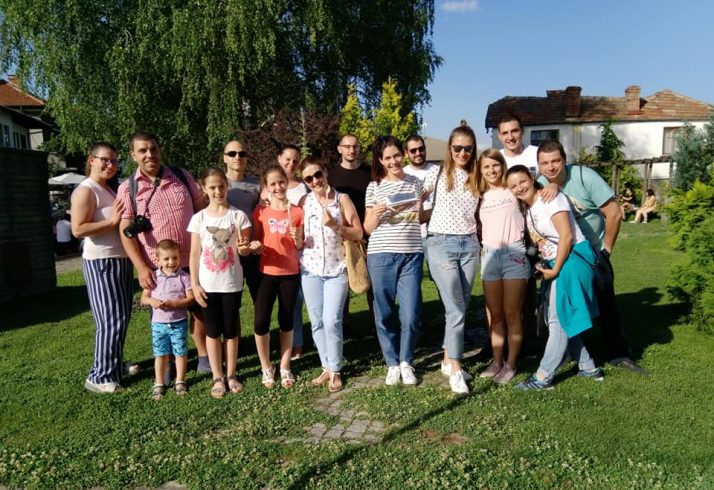
With only a few days before the start of the new school year for the children, a group of lovely, smiley and merry travelers visited our picturesque town and together we have spent several days full of adventures.
Amongst our travelers were Boryana Krusteva – Patepisanici.com, Veneta Nikolova – Pateshestvia.net, Jorja de Marki – Saveti.bg, Lilyana Uzunova – Lilyanauzunova.com, Krasimira Ilieva and Antoan Zahariev – Coconutstories.com.
For them, as well, along with our friends from Travel Plus we had prepared and interesting program that got a very warm welcome from the participants in this part of the bloggers’ trip.

We would like to share a photo along with a few words and a link to the articles to the bloggers who were our guests in the middle of September.

Unexpected surprises, a cycling tour and craft beer in Tryavna

Boryana:  „I’m really happy to share with you the story of my adventurous weekend in the little mountain village that was full of surprises, exciting experiences and lovely company. Our polite hosts from the Kalina Palace hotel have taken care of it all!”

To the article: https://patepisanici.com/2019/09/22/изненади-колела-и-бира-в-трявна/

Tryavna shines with thousands of suns

Veneta: „It a pleasure to roam around Tryavna. Here everything is clean, neat and tidy. A colorful string of tiny craft shops, hand-made souvenir shops and art galleries are cuddling one next to the other. Woodcarving, weaving, smiting, jewelry, icon painting, pottery- you can find a representative of almost every single local craft here.“

To the article: https://pateshestvia.net/трявна-грее-с-хиляди-сияйни-слънца/

Tryavna- a stroll through a picturesque revival town

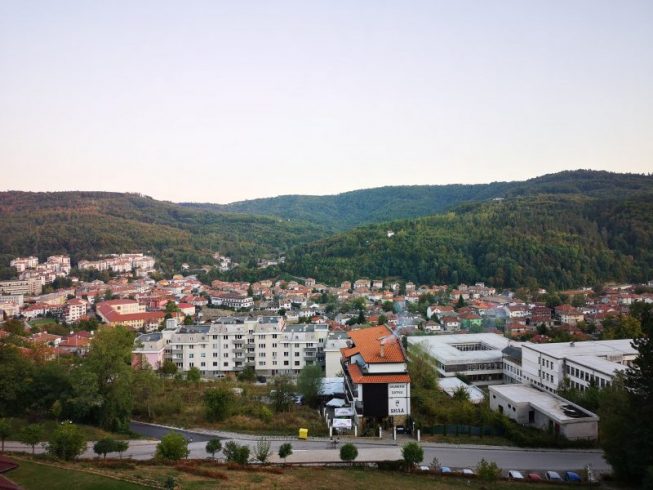
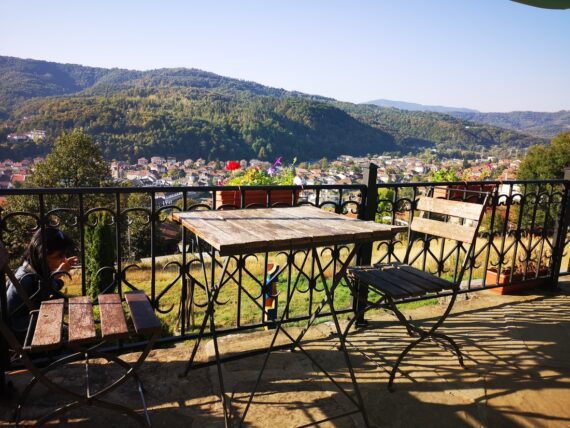
Jorja: „The view over the town from above, the main square with the famous clock tower, the Hunchback Bridge and the tiny cobbled streets amongst which the Old Crafts’ street- all these images make an unforgettable impression to the visitors of the revival town.”

Tothe article: https://saveti.bg/tryavna/

Along the cobbled stone streets of Tryavna

Lilyana: „A town, soaked with history and the scent of coffe, brewed on hot sand, Tryavna offers us a stroll back in the time of the Revival along the preserved authentic cobbled stone streets.”

To the article: https://www.lilyanauzunova.com/travels/po-kaldurumenite-ulichki-na-tryavna

Tryavna- an inspiration from the Balkans

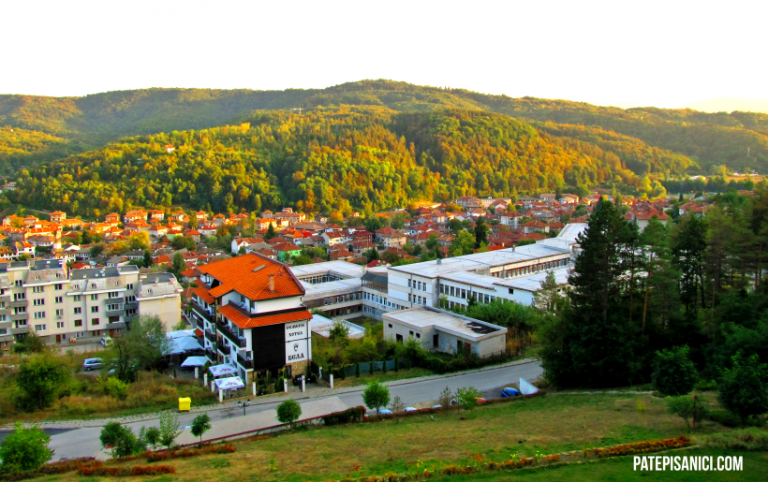
Krasimira and Antoan: „We visited the town in the last days of summer when the hills of the mountain were still covered in lush vegetation and the fresh mornings and chilly evenings were adding to the charm and homely feeling of the place. We stayed at the charming Kalina Palace hotel, situated high above the town and our hosts welcomed us with hospitable attitude, fine cuisine, interesting stories, true recreation and spiritual relax.”

To the article: https://coconutstories.net/трявна-вдъхновение-от-балкана/

Lovely moments captured on photos, in kind words but mostly in the memories of us all!